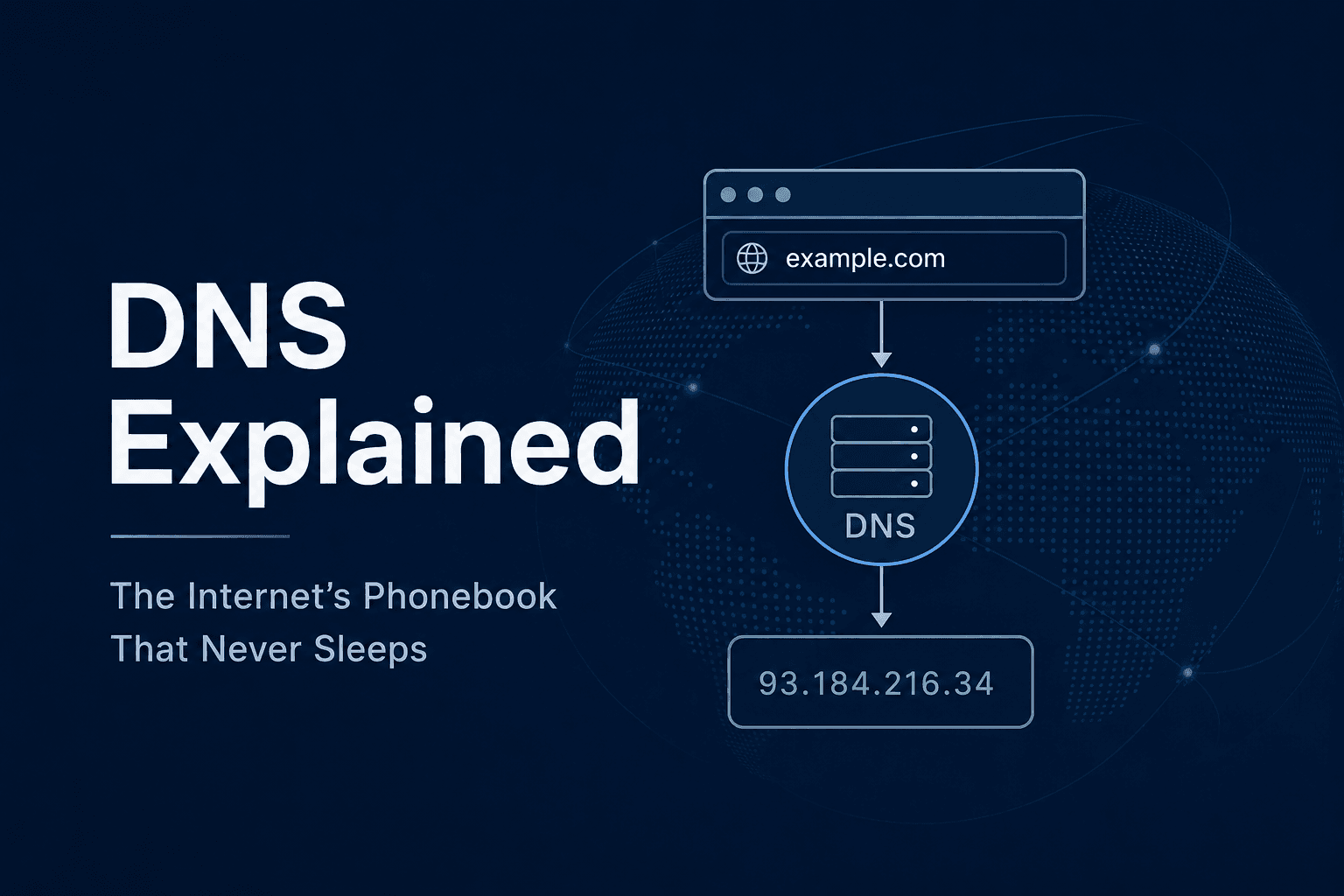

The Domain Name System (DNS) is a critical component of the internet infrastructure, responsible for mapping human-readable domain names to IP addresses, enabling users to access websites and online services. With its distributed architecture and caching mechanisms, DNS provides fast and efficient name resolution, while also supporting load balancing and other advanced features. Understanding DNS is essential for reasoning about name change propagation, outage causes, and optimizing online service performance.
Background
The DNS has its roots in the early days of the internet, when the need for a scalable and decentralized naming system became apparent. The first DNS implementation was developed in the 1980s, and since then, it has evolved to become a robust and widely adopted standard. The DNS is based on a hierarchical namespace, with top-level domains (TLDs) such as .com and .org, and subdomains that can be registered by individuals and organizations. The DNS protocol uses a query-response model, where clients send queries to DNS servers, which then respond with the requested information.
Core Concepts
Introduction to DNS Components
- Domain Names: human-readable names used to identify websites and online services
- IP Addresses: numeric addresses used to identify devices on the internet
- Name Servers: DNS servers that store and manage domain name records
DNS Record Types
- A Records: map domain names to IP addresses
- MX Records: map domain names to mail servers
- NS Records: map domain names to name servers
DNS Query Types
- Recursive Queries: DNS servers query other servers to resolve a domain name
- Iterative Queries: DNS servers return a referral to another server, which the client must then query
Architecture Deep Dive
DNS Server Hierarchy
- Root Servers: authoritative servers for TLDs
- TLD Servers: authoritative servers for subdomains
- Authoritative Servers: manage domain name records for a specific domain
- Recursive Servers: cache and resolve domain names on behalf of clients
DNS Caching Mechanisms
- TTL (Time-To-Live): specifies how long a record can be cached
- Cache Hierarchy: recursive servers cache records from authoritative servers
Trade-Offs
- Performance vs. Security: caching mechanisms improve performance but introduce security risks
- Scalability vs. Complexity: distributed architecture improves scalability but increases complexity
How It Works
When a user types a website name, their device sends a DNS query to a recursive server, which then queries the root servers, TLD servers, and authoritative servers to resolve the domain name. The recursive server caches the response and returns the IP address to the client. Subsequent queries for the same domain name can be resolved quickly using the cached response. DNS also supports load balancing by returning different IP addresses for the same domain name, allowing multiple servers to share the load.
Implementation Guide
Implementing DNS involves setting up name servers, configuring DNS records, and optimizing caching mechanisms. DNS servers can be managed using command-line tools or web-based interfaces.
DNS Record Configuration
This example shows a DNS zone file configuration using the BIND DNS server software. The configuration specifies the SOA (Start of Authority) record, NS (Name Server) records, and A (Address) records for the example.com domain.
Performance and Scalability
DNS performance is critical for online services, as slow name resolution can lead to user frustration and lost revenue. DNS scalability is also essential, as the number of online services and users continues to grow. Techniques such as anycast routing, load balancing, and content delivery networks (CDNs) can improve DNS performance and scalability. Additionally, DNSSEC (DNS Security Extensions) can enhance security by authenticating DNS responses and preventing tampering.
Security and Reliability
DNS security is critical, as DNS is a potential target for cyber attacks. DNS spoofing, DNS amplification attacks, and cache poisoning are common threats. DNSSEC can help mitigate these threats by authenticating DNS responses. Additionally, redundancy, failover, and load balancing can improve DNS reliability and availability. Monitoring and incident response are also essential for detecting and responding to DNS-related security incidents.
Common Pitfalls
Common DNS pitfalls include misconfigured DNS records, incorrect TTL values, and insufficient caching. These issues can lead to slow name resolution, outages, and security vulnerabilities. Best practices such as regularly updating DNS records, monitoring DNS performance, and implementing DNSSEC can help avoid these pitfalls.
Real-World Use Cases
Real-world DNS use cases include load balancing, content delivery networks (CDNs), and cloud services. DNS can also be used for traffic management, geolocation, and access control. For example, a company can use DNS to direct users to different servers based on their location or to block access to certain websites.
Future Trends
Future DNS trends include DNS over HTTPS (DoH), DNS over TLS (DoT), and quantum-resistant DNS. These trends aim to improve DNS security, privacy, and performance. Additionally, artificial intelligence (AI) and machine learning (ML) can be used to optimize DNS performance, predict DNS traffic, and detect DNS-related security threats.
Key Takeaways
- DNS is a critical component of the internet infrastructure
- Understanding DNS is essential for optimizing online service performance
- DNS security and reliability are critical for preventing cyber attacks and outages
- DNS can be used for load balancing, content delivery, and traffic management
- Future DNS trends include DNS over HTTPS, DNS over TLS, and quantum-resistant DNS